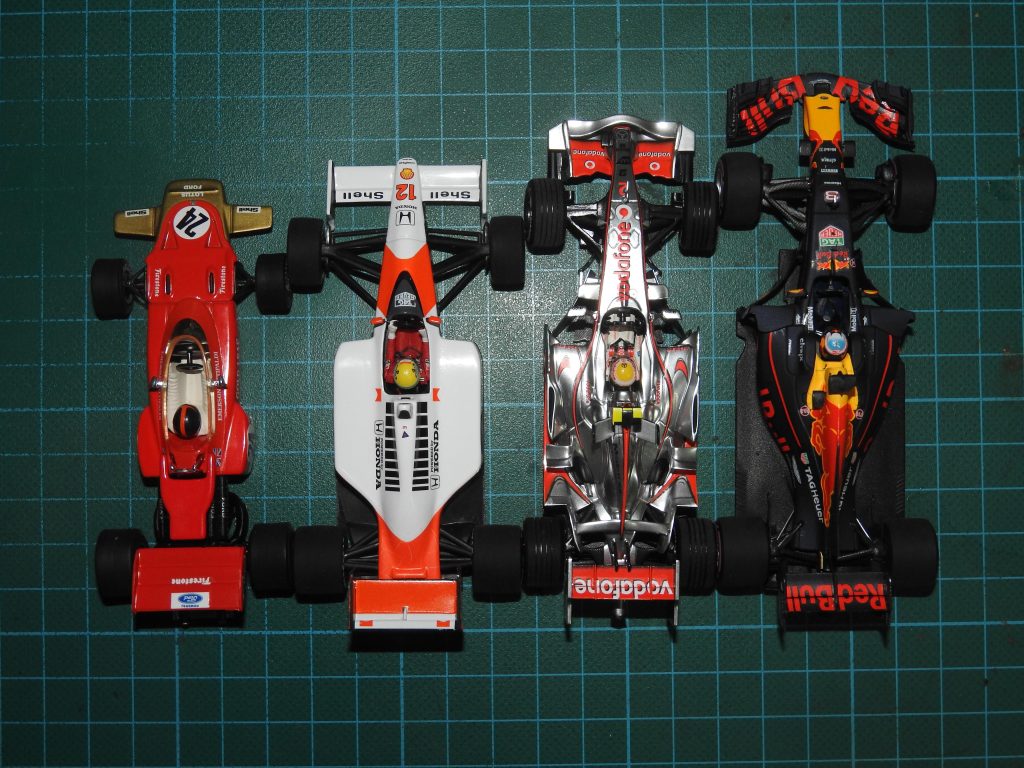
Formula 1 is more than just a motorsport — it is a showcase of human innovation, engineering excellence, and global entertainment. From its humble beginnings in the 1950s to the modern hybrid era, Formula 1 has undergone a remarkable transformation in terms of safety, technology, and worldwide influence.
The Birth of Formula 1 (1950s)
The first official Formula 1 World Championship kicked off in 1950 at Silverstone, United Kingdom. Early F1 cars were fast but extremely dangerous.
- Drivers raced with minimal safety gear
- Circuits had little protective infrastructure
- Fatal accidents were tragically common
Despite the risks, legends like Juan Manuel Fangio dominated the early years, cementing F1’s reputation as the ultimate test of skill, courage, and endurance.
At this stage, F1 was raw, thrilling, and perilous — a true spectacle for fans but a challenge for drivers.
The Rise of Aerodynamics and Engineering Innovation (1970s–1980s)
The 1970s and 1980s marked a technical revolution in Formula 1. Teams began experimenting with advanced aerodynamics, turbocharged engines, and stronger chassis materials.
Key Innovations:
- Ground-Effect Technology: Lotus pioneered this concept to increase cornering speed without adding drag.
- Turbocharged Engines: Boosted power outputs dramatically, making cars faster than ever.
- Advanced Materials: Lightweight composites improved speed and handling.
Drivers like Ayrton Senna and Alain Prost defined this era with intense rivalries and unmatched driving precision. The combination of technical evolution and driver skill raised the level of competition across the sport.
Turning Point: Safety Revolution (1990s)
Tragic events highlighted the need for serious safety measures in Formula 1. The deaths of Roland Ratzenberger and Ayrton Senna in 1994 were shocking and pivotal.
In response, the FIA implemented:
- Stricter crash regulations
- Advanced circuit barriers and runoff areas
- Mandatory safety features in cars
Modern F1 cars now include:
- Halo devices to protect the driver’s head
- Advanced crash structures absorbing impacts
- Comprehensive medical teams at every race
Safety innovations ensured that Formula 1 could maintain its thrill while protecting drivers — a balance that defines modern racing.
The Hybrid Era: Technology Meets Sustainability
Today, Formula 1 cars are technological marvels. Hybrid power units combine:
- Internal combustion engines (ICE)
- Energy Recovery Systems (ERS) for harvesting kinetic and heat energy
Teams leverage real-time data, artificial intelligence, and simulations to optimize performance. Wind tunnels and computational fluid dynamics allow engineers to gain millisecond advantages, often deciding race outcomes.
Sustainability Goals
Modern F1 is also embracing environmental responsibility:
- 100% sustainable fuel is planned for 2026
- Carbon emissions are being significantly reduced
- Efficient hybrid technology demonstrates automotive innovation
F1 is now about speed, efficiency, and innovation, showing that sustainability and performance can coexist.
Global Growth and Entertainment Impact
From Europe to Asia, the Middle East, and America, Formula 1 has become a global phenomenon.
- Netflix’s Drive to Survive series brought millions of new fans
- Social media engagement has skyrocketed
- Races attract celebrities, influencers, and fans worldwide
This shift has turned F1 from a niche motorsport into a mainstream entertainment franchise, appealing to both traditional enthusiasts and younger audiences.
Modern Formula 1: A Blend of Skill, Strategy, and Engineering
Today, Formula 1 is not just about driving fast. It is a combination of:
- Engineering innovation: Hybrid engines, aerodynamics, simulation tools
- Driver skill: Precision, strategy, and adaptability
- Team strategy: Tire management, pit stops, and energy deployment
- Global entertainment: Storytelling, branding, and fan engagement
Each element is critical — the fastest car on paper does not always win. The sport rewards those who integrate technology, strategy, and performance seamlessly.
Formula 1 in 2026 and Beyond
With new regulations approaching, Formula 1 continues to evolve rapidly:
- Engine simplification with electrification and sustainable fuel
- Active aerodynamics for better racing and overtaking
- Increased global participation from new manufacturers
- Enhanced focus on fan engagement and digital content
The sport continues to push technological boundaries while remaining accessible and exciting to audiences worldwide.
Conclusion: The Pinnacle of Motorsport Evolution
From dangerous beginnings in the 1950s to hybrid powerhouses and global entertainment icons today, Formula 1 represents the ultimate blend of risk, skill, and innovation.
It has evolved from:
- Raw speed and danger → Safety and precision
- Mechanical engineering → Hybrid technology and AI
- Regional sport → Global entertainment franchise
In 2026 and beyond, Formula 1 is more than racing — it is a showcase of engineering excellence, environmental responsibility, and storytelling. Fans, teams, and content creators all benefit from this evolution, ensuring that Formula 1 remains the pinnacle of motorsport for generations to come.