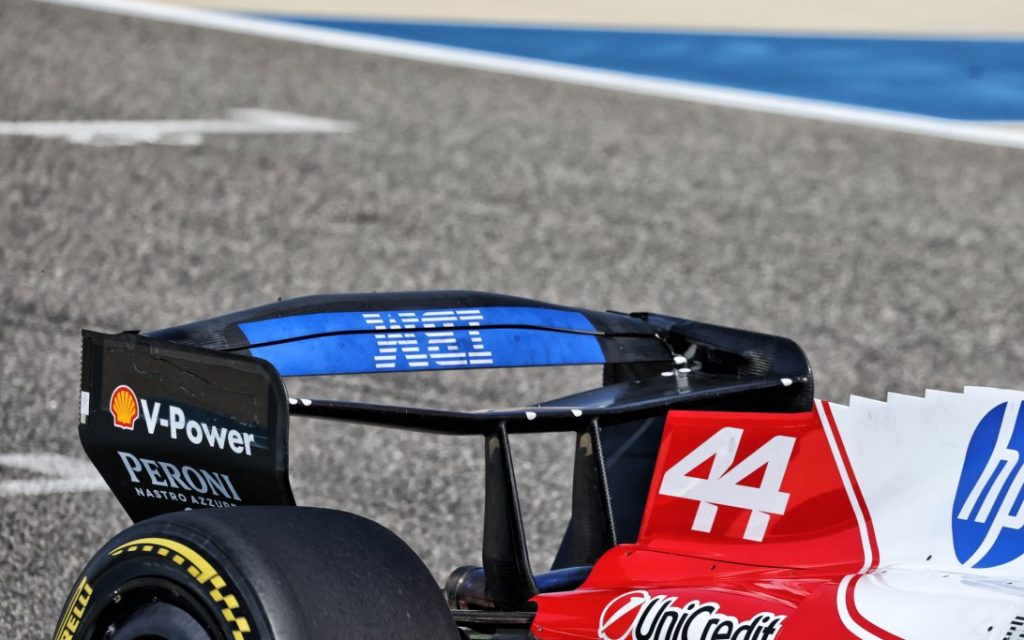
Formula 1 has always been a sport defined by innovation, engineering precision, and pushing the limits within strict technical regulations. In the early 2026 pre-season testing at the Bahrain International Circuit, Scuderia Ferrari stunned the paddock — and the F1 fanbase — with one of the most radical aerodynamic devices in recent memory: a rear wing that flips 180 degrees into a low-drag position.
This daring mechanism is not just a visual spectacle — it’s a bold interpretation of the brand-new active aerodynamics rules introduced for the 2026 season. Teams now have far greater flexibility to adjust front and rear wing elements dynamically across a lap, moving beyond the old Drag Reduction System (DRS) and opening the door to highly complex aerodynamic strategies.
What Is Active Aerodynamics in 2026?
Under the 2026 regulations, Formula 1 cars are permitted to adjust certain aerodynamic surfaces dynamically during a lap to optimize performance for straights versus corners. Unlike the old DRS — which lifted a flap only in designated zones — the new rules allow continuous adjustments, offering more strategic and engineering freedom.
Ferrari’s innovative system targets the upper element of the rear wing. Unlike most active aero devices, which simply flatten the wing in low-drag mode, Ferrari’s solution rotates the wing completely 180°. On straights, the wing inverts almost upside down compared to its normal racing orientation. As the car approaches braking zones or corners, the element swings back into high-downforce mode, providing grip where it’s most needed.
This visually dramatic rotation has sparked intense discussion in the paddock, as it appears designed to maximize straight-line speed while complying with the new regulations.
Why Flip the Wing Completely?
The concept behind a 180° flip wing is more than just visual spectacle — it’s grounded in aerodynamic principles.
🌀 Reducing Drag Significantly
By inverting the wing profile on straights, the airflow over the element is dramatically altered, effectively stalling airflow and lowering drag beyond what a flattened wing can achieve. Reduced drag translates into higher top speed and better efficiency on long straights.
🏎️ Enhancing Straight-Line Performance
Observers from pre-season tests suggest Ferrari may gain extra velocity as the flip wing reshuffles airflow over the rear and diffuser area. This improves energy efficiency and car stability at high speed, giving an edge in qualifying and race scenarios.
🔄 Legal Compliance with 2026 Rules
The FIA regulations allow movable wings within certain timing and movement limits, without specifying the final orientation of the element. Ferrari’s engineers appear to have exploited this rule, creating a legal but radical solution that pushes the boundaries of active aerodynamics.
Reactions From Fans and the Paddock
The wing immediately captured attention across social media, F1 forums, and broadcast feeds. Analysts have called it one of the boldest aerodynamic concepts in recent years, and fans are calling it a sign of the future of F1 design under the new rules.
However, Ferrari has treated this device primarily as a test item. Team principal Fred Vasseur emphasized that while innovation is encouraged, it is uncertain whether this wing will race in its current form or undergo further development.
Challenges and Engineering Considerations
While Ferrari’s flip wing is exciting, it comes with significant challenges:
🔧 Reliability and Mechanical Complexity
A system that rotates 180° must withstand extreme aerodynamic loads, vibration, and high-speed airflow. Ensuring durability while maintaining precise operation is a major engineering hurdle.
🛠️ Balancing Drag and Downforce
Corners demand high downforce, while straights benefit from minimal drag. Perfectly tuning the dynamic movement of the wing to achieve the ideal balance requires extensive real-world testing.
📊 Regulatory and Competitive Scrutiny
Other teams are closely monitoring Ferrari, and the FIA may refine rules if any device skirts the intended limits. The 2026 season’s experimental phase could reshape how aerodynamic strategies are implemented across the grid.
Why This Matters for F1 in 2026
Ferrari’s 180° flip wing demonstrates how creative engineering and regulatory interpretation can deliver innovation without breaking the rules. This development signals several key trends in the 2026 era:
- Active Aerodynamics Will Redefine Racing: Teams can now adjust downforce dynamically, improving overtaking opportunities and lap times.
- Engineering Creativity Is Rewarded: Radical solutions like flip wings showcase how ingenuity can create competitive advantages.
- Aerodynamic Innovation Remains Central: Even small changes to airflow can yield milliseconds — often the difference between winning and losing.
Conclusion: Innovation at the Edge
The 180° flip wing is a striking example of what makes Formula 1 the pinnacle of motorsport: engineering ingenuity, strategic thinking, and rule-based creativity. Ferrari’s approach exemplifies how teams will push the limits of active aerodynamics to optimize performance in 2026.
Whether the flip wing becomes a race-winning device or remains a showcase of technical brilliance, its appearance in Bahrain has already influenced discussions across the F1 paddock.
Formula 1 in 2026 is not just faster — it’s smarter, more dynamic, and more innovative than ever before, and Ferrari’s daring experiment may set the tone for the new era of aerodynamic evolution.
I think this is ferrari’s year. Hopium